

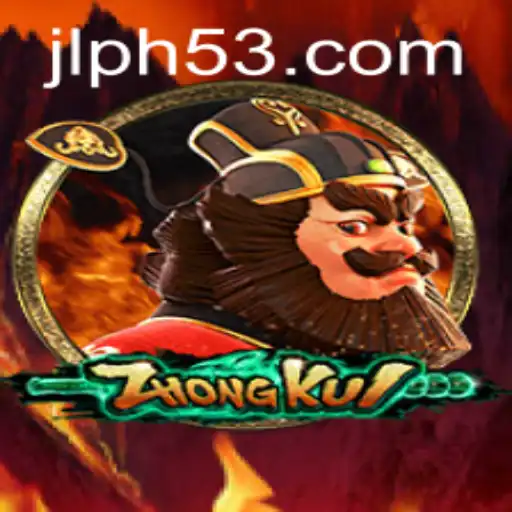

Explore the captivating world of ZhongKui, where Chinese mythology meets strategic gameplay. Discover unique features, rules, and the cultural influence of this exciting game.
ZhongKui: An Immersive Adventure into Mythology and Strategy
The fascinating world of ZhongKui invites players into a realm where ancient Chinese mythology comes alive through engaging and strategic gameplay. Drawing inspiration from the legendary demon slayer Zhong Kui, this game offers an immersive experience that combines elements of role-playing, strategy, and cultural storytelling. As ZhongKui captivates the gaming community, it continues to gain momentum among fans of mythology and strategic games alike.
Introduction to ZhongKui
ZhongKui is a strategically rich game that transports players into a mythical universe filled with demons, ghosts, and powerful deities. The game is heavily inspired by traditional Chinese folklore, specifically the legend of Zhong Kui, a figure known for his prowess in battling malignant spirits. Set against a backdrop of richly detailed landscapes and mythical realms, ZhongKui challenges players to harness the powers of various characters, each endowed with unique abilities, to vanquish evil forces and restore balance to the world.
The game begins with players choosing a character avatar, which acts as the player's representative in the game's universe. These avatars are meticulously crafted to reflect distinctive characteristics drawn from Chinese mythology, providing players with a diverse array of strategic possibilities. The selection process is crucial as it determines the initial skill set and abilities the player will use to navigate the challenges presented throughout their journey.
Game Description
The core mechanics of ZhongKui revolve around strategic planning and smart resource management. Players must gather resources, explore mystical landscapes, and engage in strategic combat to overcome the myriad obstacles they face. The game offers both single-player campaigns and multiplayer modes, allowing players to choose their preferred style of play. In single-player campaigns, the narrative unfolds through a series of quests and challenges that interweave mythological themes with strategic gameplay.
Multiplayer mode promotes collaboration and competition among players. Engaging in multiplayer events and tournaments not only enhances the gaming experience but also provides opportunities to earn unique rewards and unlock special features that are not available in the single-player mode. Teamwork and strategic alliances become vital components as players navigate this competitive environment.
Rules and Gameplay Mechanics
Understanding the rules of ZhongKui is crucial for success. At its core, the game requires players to master the art of strategy, balancing offense with defense while optimizing resource allocation. Players must build and develop their avatars' skills by acquiring mystical artifacts and enhancing abilities through the completion of quests and challenges.
Combat in ZhongKui is dynamic and requires players to think on their feet. Each battle involves the strategic deployment of abilities, careful monitoring of resources, and tactical decision-making. Players must anticipate opponents' moves and counter them with precision to gain the upper hand. Successful battles are rewarded with experience points, which are used to level up characters and unlock new powers and abilities.
One of the unique features of ZhongKui is the spirit companions that accompany players on their journey. These companions provide crucial support during battles, offering additional abilities and enhancing the player's overall power. Selecting the right spirit companion can significantly impact the outcome of encounters, adding another layer of strategic depth to the game.
Current Events and Cultural Influence
ZhongKui's rising popularity in the gaming community can be attributed to its rich blend of culture and immersive gameplay. As cultural awareness grows on a global scale, games like ZhongKui play a significant role in promoting appreciation for Chinese folklore and mythology. Players from diverse backgrounds are drawn to the game's artistic representation of ancient tales, fostering cultural exchange and understanding through interactive storytelling.
Additionally, ZhongKui's presence in the competitive gaming scene has been bolstered by recent events and tournaments. These events have not only increased visibility for the game but also attracted sponsorships and collaborations with prominent figures in the gaming industry. The competitive environment has sparked intense rivalry and camaraderie among players, further enhancing the community's engagement with the game.
ZhongKui's introduction into the cultural landscape is reflective of a broader trend where gaming serves as a platform for storytelling and cultural preservation. It exemplifies how modern technology and entertainment can be leveraged to preserve and share traditional narratives, serving as a bridge between past and present.
Conclusion
ZhongKui is more than just a game; it is an artistic homage to Chinese heritage and a testament to the captivating storytelling possibilities within the gaming medium. As players immerse themselves in this mythical universe, they are not only entertained but also enriched by the cultural narratives that resonate throughout every aspect of the game. With its unique combination of strategic gameplay and mythological storytelling, ZhongKui stands as a compelling example of the potential for games to serve as a cultural conduit in today's interconnected world.